Butyl Rubber
2017-03-02 · Hardy Ho
Butyl Rubber
Isobutylene Isoprene Rubber, also called Butyl Rubber, is a kind of synthetic rubber synthesized from isobutene and small amounts of isoprene.
Butyl rubber is also called IIR, “short for Isobutylene Isoprene Rubber”. Butyl rubber has good performance of chemical stability and thermal stability, the most prominent among which is the air tightness and watertightness. Its air permeability is only a 1/7 of natural rubber, and 1/5 of styrene butadiene rubber, while the vapor permeability is 1/200 of natural rubber, and 1/140 of styrene butadiene rubber 1/140. So it is mainly used for manufacturing various inner tubes, steam pipes, water tires, dam bottom and gaskets and other rubber products.
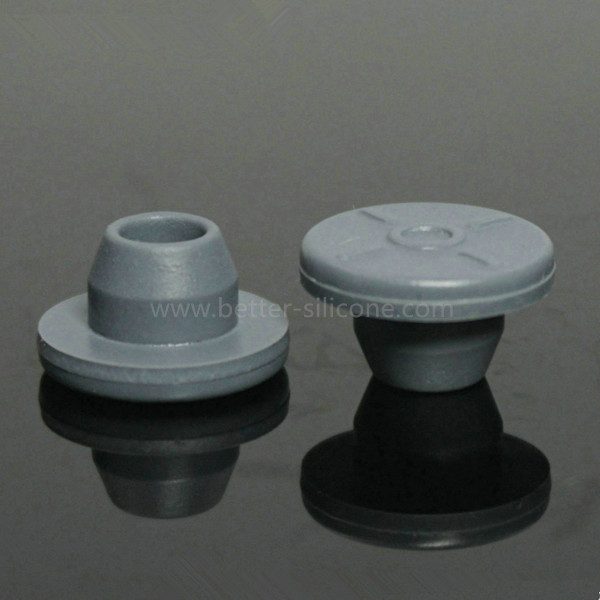
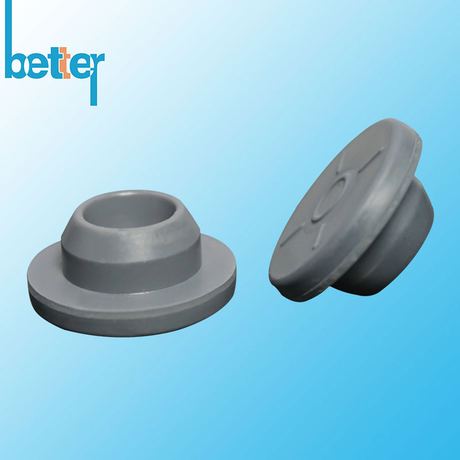
In order to improve the poor blending of Isobutylene Isoprene Rubber, halogenated butyl rubber appeared in 1960.
Advantages:
halogenated Isobutylene Isoprene Rubber not only has better performance of air tightness, hat also owns properties of heat resistance, ozone resistance, aging resistance, chemical resistance, and shock absorption, electrical insulation. halogenated butyl rubber can also be exposed to animal or vegetable oils or any other oxidizable chemicals.
Disadvantages of Isobutylene Isoprene Rubber.
1. Low efficiency of vulcanization. It takes about 3 times the time to finish than natural rubber, in high temperature or long time.
2. Poor mutual viscosity. With the aid of the tackifier, the adhesive layer to improve the adhesion with other rubber, even so the adhesive effect is not good.
3. Poor compatibility. Generally, butyl rubber can only be used with ethylene propylene rubber and polyethylene.
4. The effect between butyl rubber and reinforcing agent is weak, which needs heat treatment or the use of additives to increase the rubber reinforcement effect, improve the tensile strength, tensile stress, elasticity, wear and electrical insulation properties.
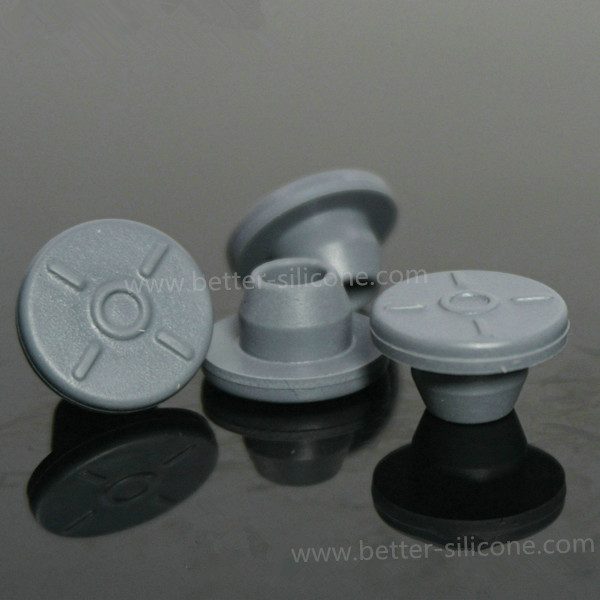
Isobutylene Isoprene Rubber Main Applications
Inner tubes of all kinds of tires, airtight layer of the tire without inner tube, various sealing gaskets, inner side of a container containing corrosive liquids, pipes and conveyor belts, and as a kind of waterproof material in agriculture.