EPDM is a terpolymer of ethylene, propylene and an unconjugated diene. Its main chain is a saturated hydrocarbon and the only unsaturated double bond sits in the side chain, so the backbone is chemically stable. That structure is what gives EPDM its resistance to sunlight, heat, oxygen and ozone.
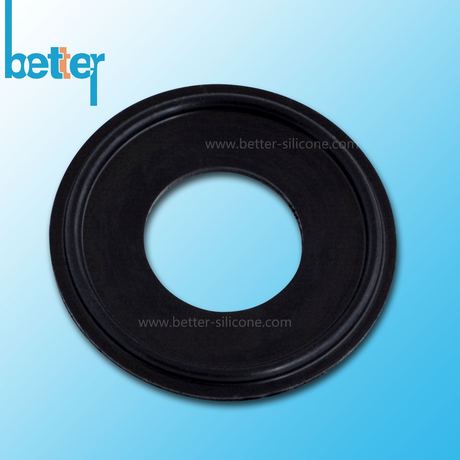
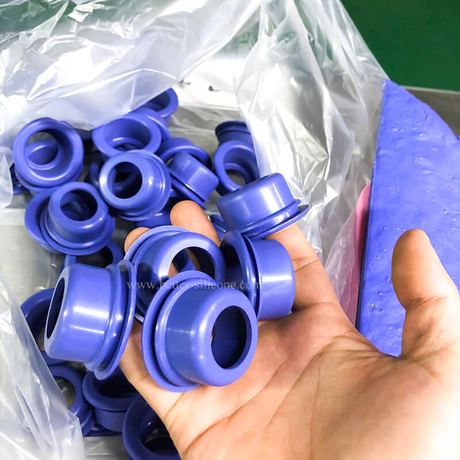
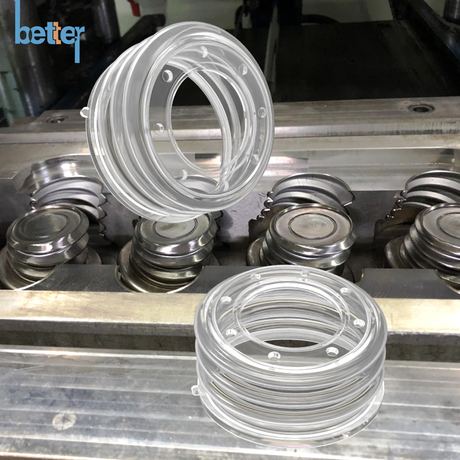
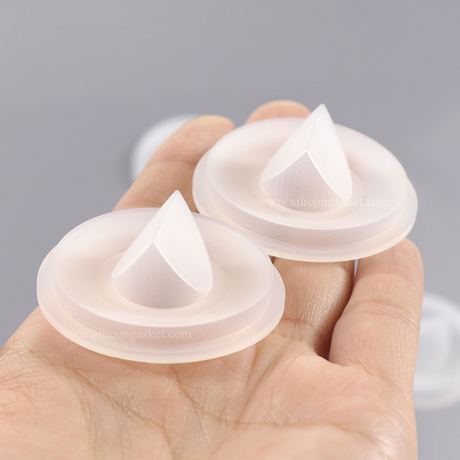
It is most often supplied as EPDM sheet rubber and moulded into gaskets, seals and protective pads. Properties can be tuned during manufacture by changing the amount of the third monomer, the ethylene to propylene ratio, the molecular weight distribution and the cure system.
EPDM can be cured with sulfur or with organic peroxide. Peroxide cross linking gives higher temperature resistance, lower compression set and better cure characteristics, which matters in wire and cable work. It also costs more, which is the trade off.
Against natural rubber: natural rubber is physically the stronger elastomer, with very low compression set, high tensile strength, large elongation and good abrasion resistance. EPDM does not match it on raw physicals, but natural rubber cannot come close to EPDM on UV and ozone resistance.
Against SBR: EPDM generally performs better overall. SBR keeps one advantage, better abrasion resistance.
Against NBR: NBR is the oil and fuel resistant material and stays stable at low temperature. EPDM is the opposite, better at high temperature and far better against water swell and weathering, but poor in oil.
Against silicone: silicone still beats EPDM on UV and ozone, but silicone tears easily and abrades quickly. EPDM gives you UV resistance together with real tensile strength and abrasion resistance.
Against neoprene: the two overlap in many applications. EPDM has better water swell resistance and a wider working temperature range.
Advantages: superheated water resistance, good electrical properties, good elasticity, outstanding ozone, heat, weather and ageing resistance.
Disadvantages: slow cure rate, difficult to blend with other unsaturated rubbers, poor bonding to other materials, poor oil resistance.
Tell us the part, the material, the hardness and the annual quantity. We will come back with a process recommendation, a tooling proposal and a piece price.