Silicone Rubber Transfer Molding
Custom moulded by Xiamen Better Silicone Rubber Co., Ltd. Made to your drawing, 3D model or sample.
| Process | Compression, transfer or LSR injection moulding, chosen for your volume |
|---|---|
| Materials | Silicone, LSR, EPDM, NBR, neoprene, natural rubber, butyl, FKM |
| Hardness | 10 to 80 Shore A |
| Colour | Matched to Pantone or to your sample |
| Customisation | Size, geometry, branding, printing and packaging |
- Category
- Silicone Rubber Compression Molding
- Lead time
- Quoted with the part
- Tooling
- Designed and cut in house
Also searched as:Transfer MoldingRubber Transfer MoldingSilicone Transfer Molding
Product description
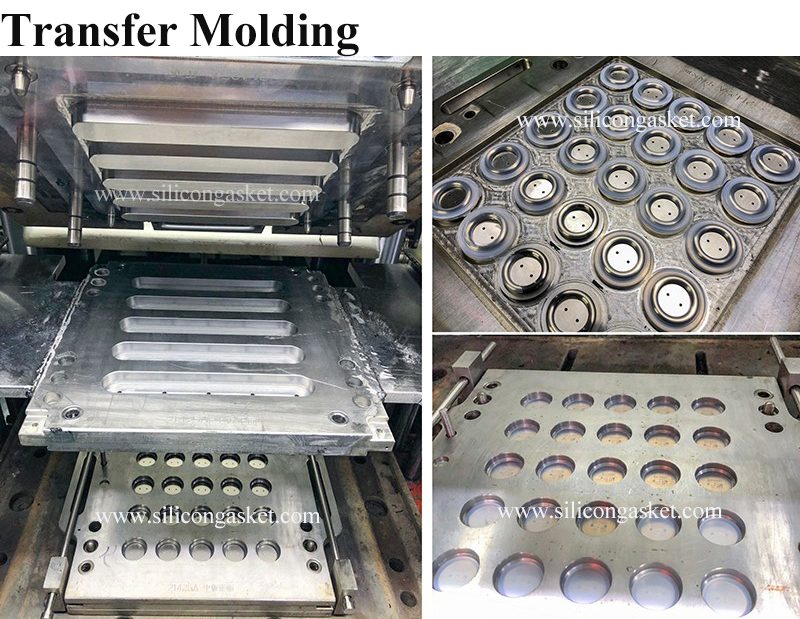
Transfer Molding
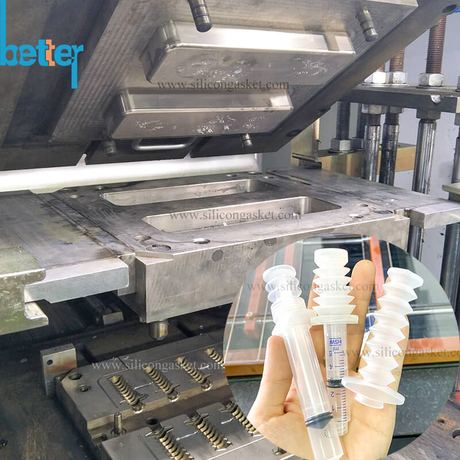
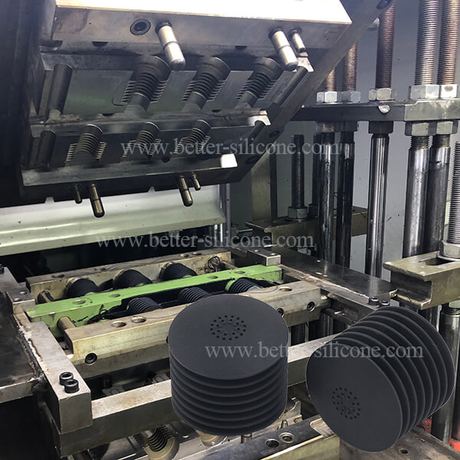
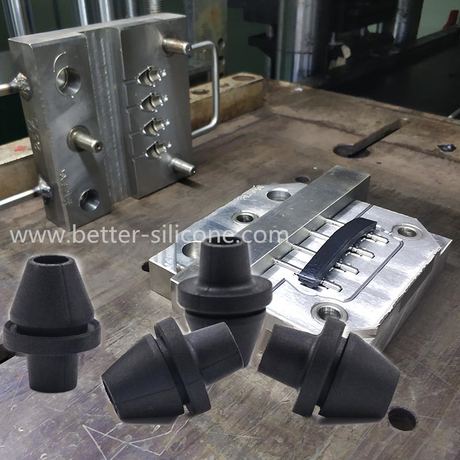
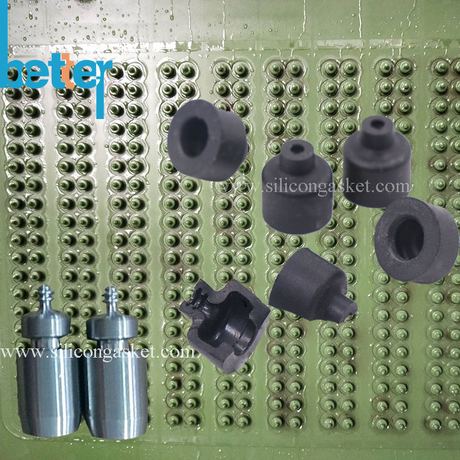
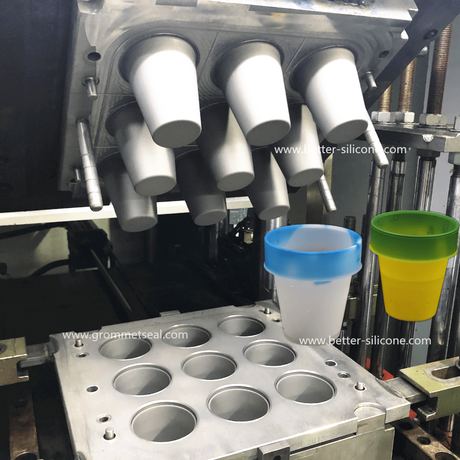
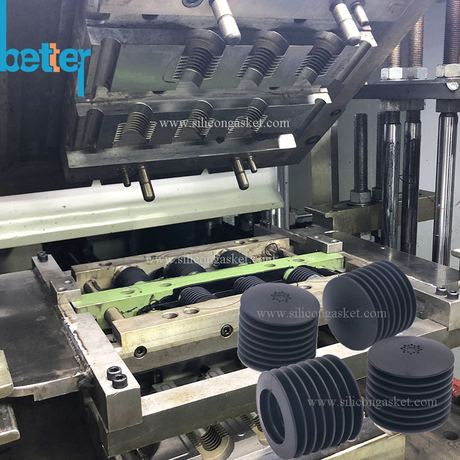
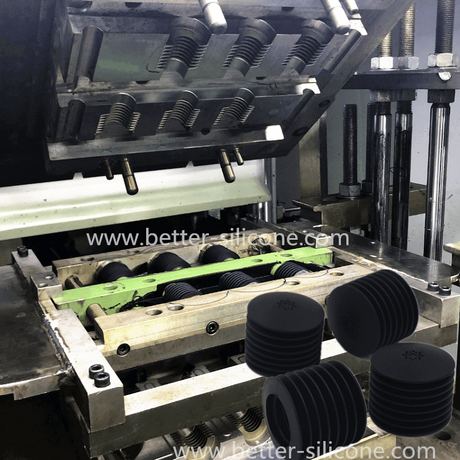
Transfer molding, also known as Transfer Injection Molding, Silicone Transfer Molding, Rubber Transfer Moulding, which is similar to compression molding, in that a carefully calculated, pre-measured amount of uncured molding silicone rubber is used for the molding process.
Transfer molding is one of the many ways that engineers manufacture silicone rubber parts. Transfer molding is a great way to create composite seals with insert molding , which “float” in the cavity. Since cavities are independent of one another, they can move freely rather than being cut directly into the same plate. This helps to absorb variations in tolerances, so the mold will stay consistent.
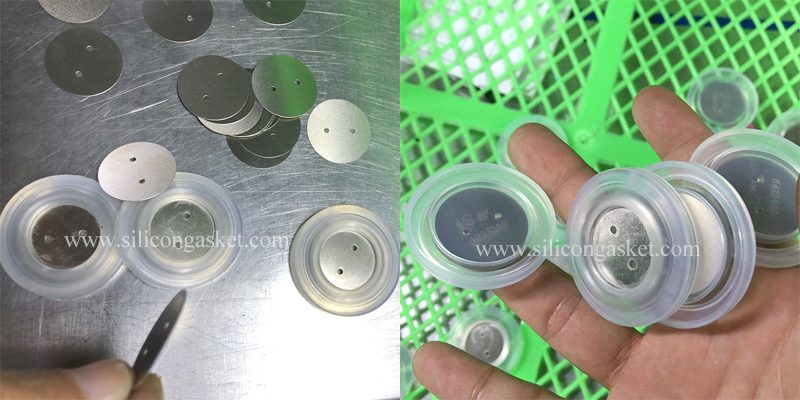
Various inserts like plastic and metal can be used to make the composite seal. These allow for a multi-component sealing solution, helping reduce overall component count in assembly and providing a more robust seal.
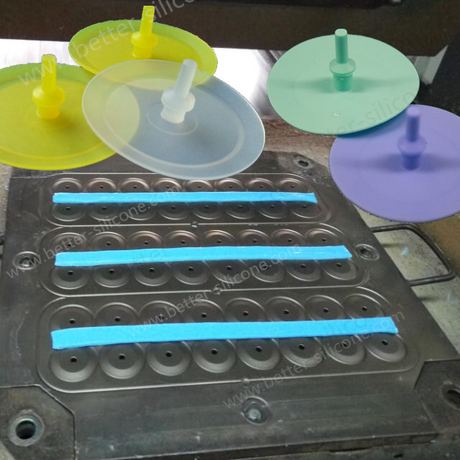
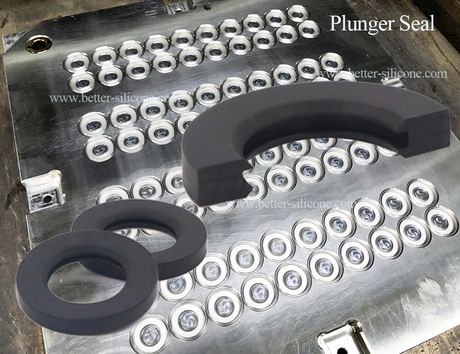
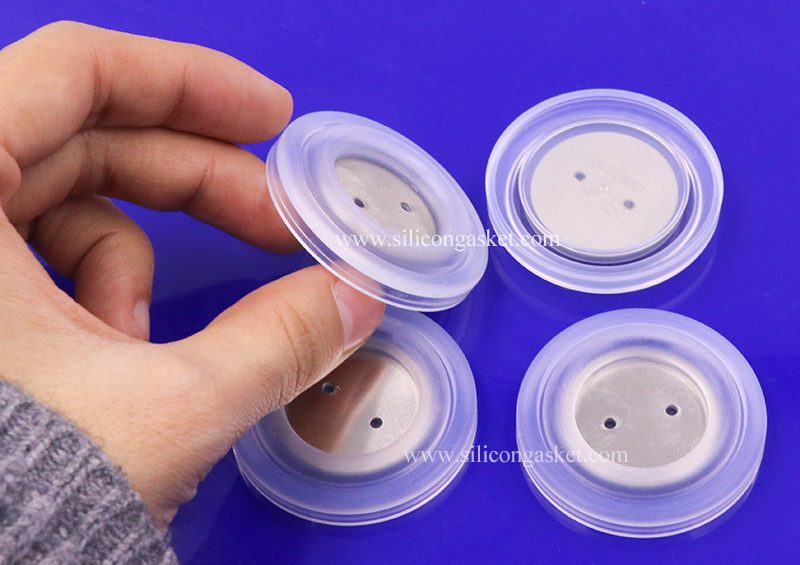
Transfer molding efficiently creates a wide variety of lightweight and durable rubber products, like silicone membrane, membrane gaskets, membrane seals, etc.
Difference between Transfer Molding and Injection Molding
Transfer molding is similar to injection molding and is widely considered to be a simplified variation of injection molding. The process has much in common with earlier iterations of injection molding before the introduction of the screw injector. The key differences between the two molding types lie in the processes.
Like injection, transfer molding pushes material into a mold through a sprue, but injection molding use a plunger instead of a screw injector.
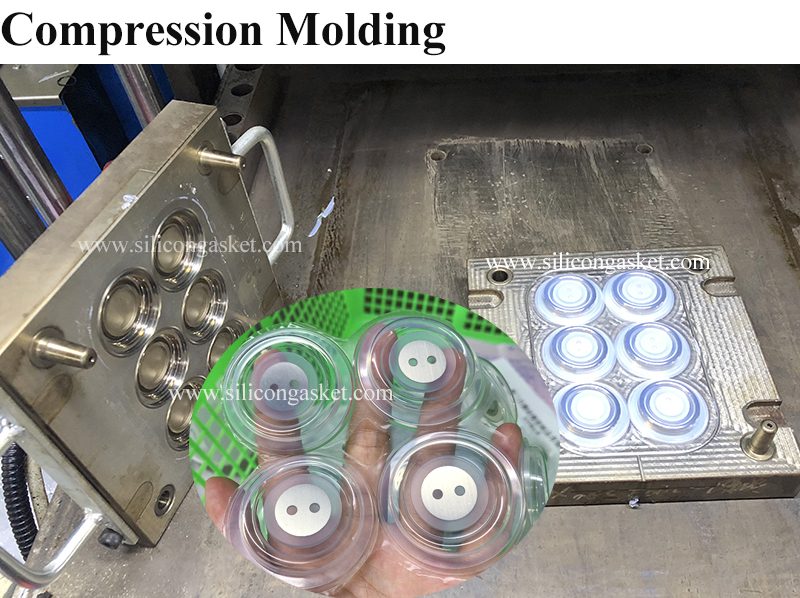
Difference between Transfer Molding and Compression Molding
The difference is, instead of put the material into an open mold, the silicone rubber material is pre-heated and loaded into a holding chamber called the pot. The material is then transferred into the pre-heated mold cavity by a hydraulic plunger through a channel called sprue. The mold remains closed until the material inside is cured.
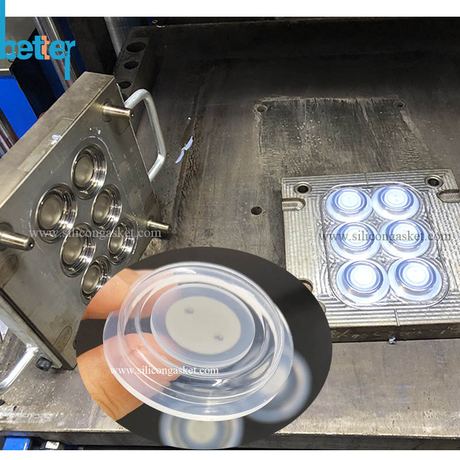
Compression molding is low cost molding process than the transfer molding.
Transfer molding is capable to molding more intricate parts than the compression mold.
Transfer Molding Pros
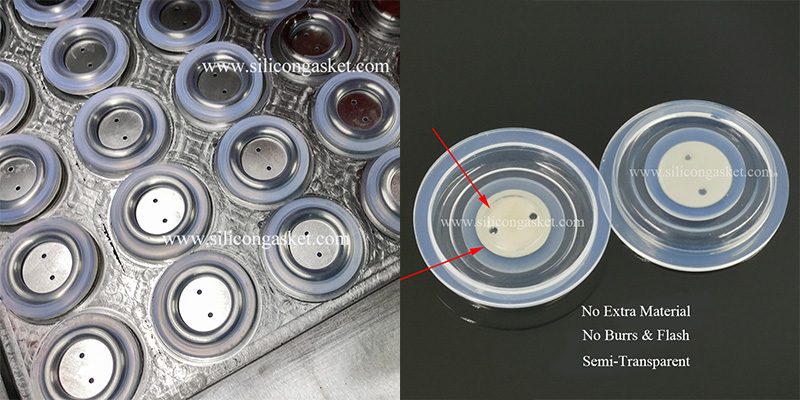
Less Flash: Transfer molded parts inherently have less flash (excess material that runs along the parting line of the mold) than their compression molded counterparts because the mold remains closed when the material enters the mold cavity.
Design Flexibility,Diversity and Inclusiveness: Transfer molding allows for sharper edges. Micro grind vents reduce the need for overflows allowing for near flash less parts, greatly reducing deflash process or allow flash limits to directly ship parts. With pot and plunger design, simplified preforms required allowing for standardization and lower cost.
Mold with More Cavity: Transfer molded silicone rubber products require few and simple prepared material. One prepared material can fill many cavities. Compare with silicone compression molding, it is an advantage and can save a significant amount of time in the molding process, which is also an advantage over injection molding since there is not a runner to fill each cavity.
Allow Different Materials of Inserts: One of the key advantages of transfer molding over compression molding is that different inserts, such as metal parts, plastic chips, dry composite fibers, ceramics, etc., can be placed/positioned in the mold cavity before the material is injected into the cavity. This ability makes transform molding the leading manufacturing process for integrated circuit packaging and electronic components with molded terminals, pins, studs, connectors, and so on.
Short Production Cycle. Silicone Rubber Transfer molding offers shorter cycle times than compression molding and can also provide more consistency. The process allows for tighter tolerances and more intricate parts.
Transfer Molding Cons
Material Waste: However, transfer molding still produces more waste material than compression molding because of the sprue, the air holes and the overflow grooves that are often needed to allow air to escape and material to overflow.
Mold is more expensive than compression mold: because the design and mold is more complex, therefore tooling can also become expensive.
Production speed: It is lower than injection molding
Which is Better for Your Product?
To determine which process is better to generate certain products, several factors should be taken into consideration. As is mentioned above, injection molding process and transfer molding process are similar and inserts (metal, fibers, ceramic) can be placed in the cavity before the silicone rubber material is injected/transferred to produce the parts. The differences begin with the machinery used, injection molding need to use injection molding machine, while transfer molding can use compression molding machine, so the initial investment for transfer molding is lower. Even though both processes can produce products with complex geometries, the cost of the mold for transfer molding is lower than injection mold, because it doesn’t require more complex systems that are used in injection molding (a complex expulsion system, for example). For this reason, the maintenance costs are also lower. For product with simple design & low volume, choose compression mold is OK, compare with transfer mold, compression mold is cheaper.