Liquid Silicone Rubber
2016-02-22 · Site Editor
Liquid Silicone Rubber
Although silicon rubber is called out sometimes called out in specifications, silicone rubber is the widely accepted terminology used among in the synthetic rubber industry. Similarly, terms liquid silicone rubber molding, liquid silicone rubber injection molding, liquid silicone molding, silicone liquid molding, liquid silicone injection molding, silicone injection molding, LIM molding, silicone rubber molding and silicone molding are all used frequently and mostly interchangeably.
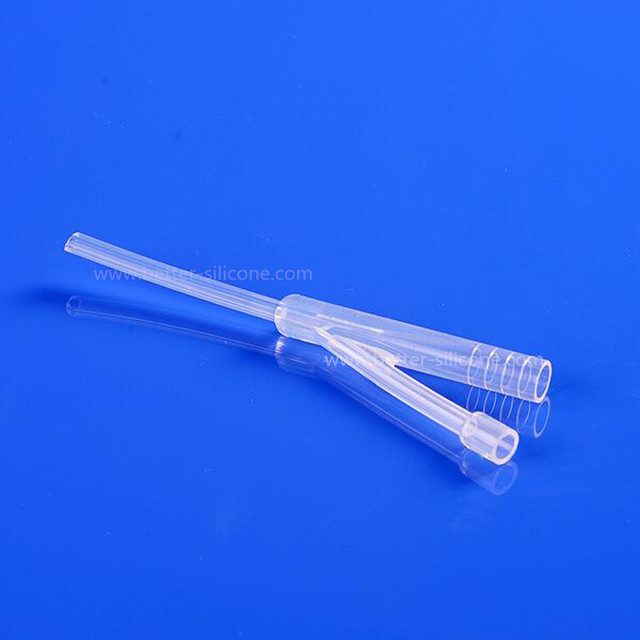
Liquid silicone rubber (LSR) is very low viscosity silicone that can be intended for use in liquid injection molding (LIM) equipment or cast into silicone rubber sheets. LSRs are generally injection molded or cast while gum based silicones are typically compression molded. It offers high thermal stability and flexibility at low temperatures, high transparency and is easily colored. Also, self-lubricated and electrically conductive grades are available as well as FDA, ISO 10993 and Class VI medical compliant grades. Liquid silicone rubber is widely used to mold complex profiles because of its excellent flow characteristics. Note that injection molding of liquid silicone rubber is the inverse of molding thermoplastics; room temperature liquid silicone compound is injected into and cured in a hot mold vs. plastic pellets melted into hot liquid and forced into a cooled mold. Generally, low abrasion and tear resistance, and high friction characteristics preclude silicones from effectively sealing some dynamic applications. However, silicones are also highly permeable to gases and are generally not recommended for exposure to ketones (MEK, acetone) or concentrated acids.
Liquid silicone rubber (LSR) is very low viscosity silicone that can be intended for use in liquid injection molding (LIM) equipment or cast into silicone rubber sheets. LSRs are generally injection molded or cast while gum based silicones are typically compression molded. It offers high thermal stability and flexibility at low temperatures, high transparency and is easily colored. Also, self-lubricated and electrically conductive grades are available as well as FDA, ISO 10993 and Class VI medical compliant grades. Liquid silicone rubber is widely used to mold complex profiles because of its excellent flow characteristics. Note that injection molding of liquid silicone rubber is the inverse of molding thermoplastics; room temperature liquid silicone compound is injected into and cured in a hot mold vs. plastic pellets melted into hot liquid and forced into a cooled mold. Generally, low abrasion and tear resistance, and high friction characteristics preclude silicones from effectively sealing some dynamic applications. However, silicones are also highly permeable to gases and are generally not recommended for exposure to ketones (MEK, acetone) or concentrated acids.